Why Uniform Quality & Fabric Choice Matters — And How to Choose the Right Fabric for Your Industry
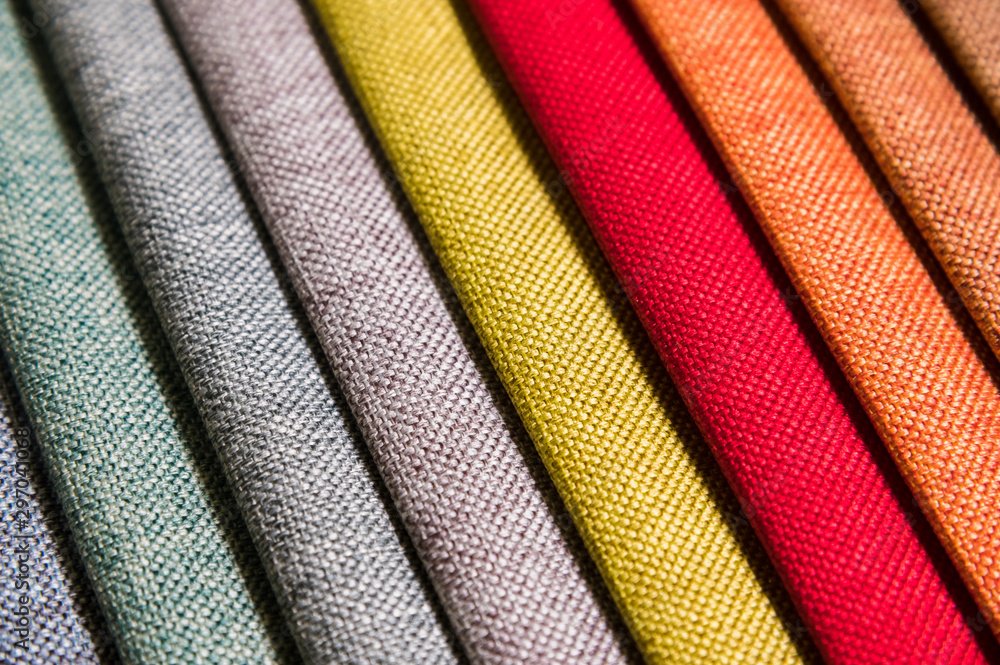
The Hidden Power of Uniform Fabric: More Than Meets the Eye
Walk into any thriving organization, and you’ll notice something immediately: the employees look professional, comfortable, and unified. What you might not realize is that the secret behind this polished appearance isn’t just the design or the logo placement—it’s the fabric itself.
Too many businesses treat uniforms as an afterthought, focusing solely on branding elements while overlooking the foundation that holds everything together: quality fabric and proper construction. This oversight can lead to unhappy employees, frequent replacements, and ultimately, a negative impact on your brand perception.
The truth is, a well-chosen uniform fabric does more than cover the body. It regulates temperature, withstands daily wear, maintains appearance after countless washes, and directly affects how your team feels throughout their workday. When corporate uniform manufacturers emphasize premium fabrics and modern stitching techniques, they’re not just adding cost—they’re investing in your business’s success.
Understanding the Real Value of Quality Uniform Fabrics
Why Fabric Quality Should Be Your First Consideration
Think about your own clothes. You instinctively reach for certain items because they feel good, look sharp, and have stood the test of time. Your employees make the same calculations every morning when they put on their uniforms.
Quality fabric delivers benefits that ripple through your entire organization:
Employee Comfort and Productivity: Uncomfortable uniforms lead to distracted, irritated employees. When someone is constantly adjusting their collar, tugging at restrictive fabric, or sweating through poor-quality material, they’re not focused on delivering excellent service or performing their job efficiently.
Durability and Cost Efficiency: While premium fabrics cost more upfront, they outlast cheaper alternatives by significant margins. Calculate the true cost over two years, including replacement expenses, and quality fabrics almost always win.
Brand Image and Professionalism: Faded, pilled, or worn-out uniforms send a message to customers and clients—just not the one you want. Fresh, well-maintained uniforms project competence, attention to detail, and organizational pride.
Employee Satisfaction and Retention: When companies invest in comfortable, well-fitting uniforms made from quality materials, employees notice. It communicates that the organization values their comfort and well-being, contributing to higher morale and retention rates.
The Environmental Considerations Nobody Talks About
Here’s something that often gets overlooked: poor-quality uniforms create more textile waste. When uniforms need replacing every six months instead of lasting two years, the environmental impact multiplies. Quality fabrics from reputable corporate uniform manufacturers typically maintain their integrity longer, reducing your organization’s textile footprint.
Decoding Fabric Types: What Works Where and Why
Cotton: The Comfortable Classic
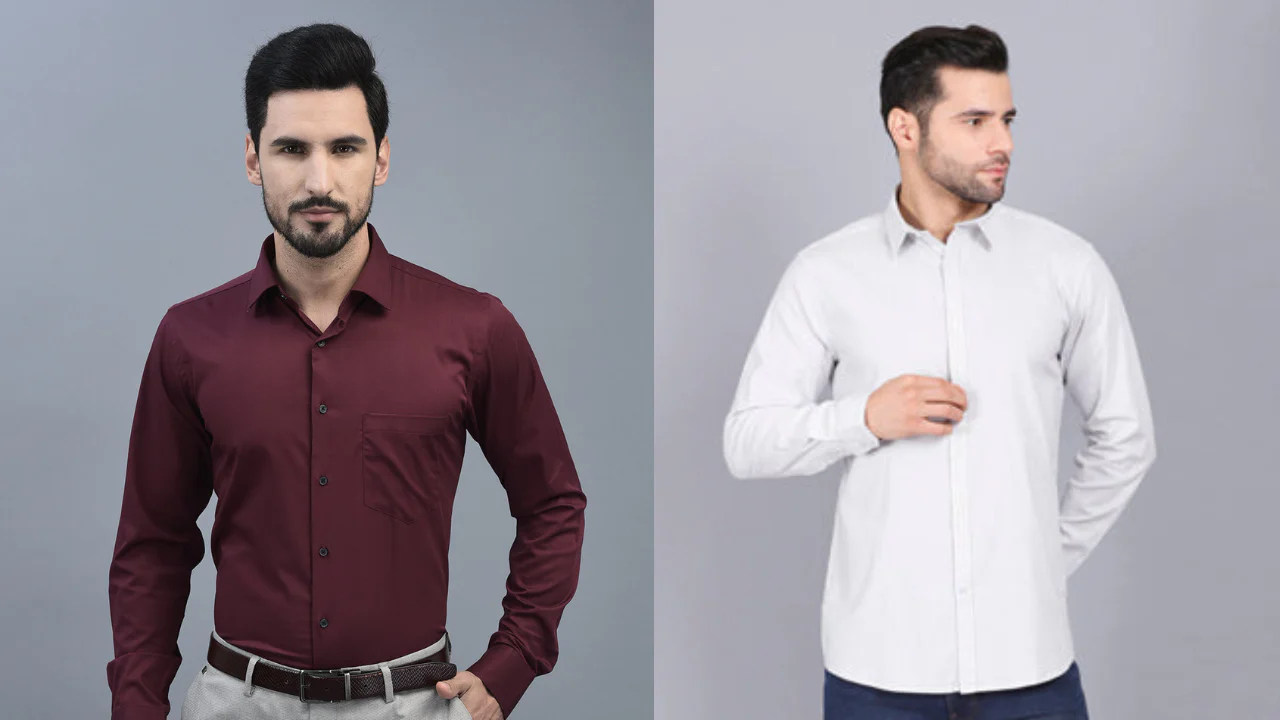
Pure cotton remains popular for good reason. It breathes beautifully, feels soft against skin, and projects a premium appearance. Cotton custom shirts and ladies office uniforms offer unmatched comfort in climate-controlled environments.
Strengths:
- Excellent breathability and moisture absorption
- Soft, comfortable feel that employees appreciate
- Natural fiber appeals to eco-conscious organizations
- Takes dyes well, maintaining color vibrancy
- Suitable for custom blazers and formal corporate wear
Limitations:
- Wrinkles easily without proper blends
- Shrinks if not pre-treated correctly
- Dries slowly, which matters for daily-wear items
- Less durable in high-intensity environments
- Stains can be challenging to remove
Best Applications: Office environments, corporate settings, hospitality front-desk positions, and any role where appearance and comfort in air-conditioned spaces matter most.
Polyester Blends: The Practical Workhorse
Polyester blends, particularly cotton-polyester combinations, have evolved dramatically. Modern blends eliminate the “plastic feel” of older versions while maintaining durability and easy care.
Strengths:
- Exceptional durability and resistance to tearing
- Minimal wrinkling—looks pressed throughout the day
- Quick-drying properties ideal for frequent washing
- Color retention surpasses pure cotton
- Cost-effective for large uniform programs
- Perfect for men office uniforms and logo t-shirts
Limitations:
- Less breathable than pure cotton
- Can retain odors more readily
- Environmental concerns with synthetic materials
- May feel less premium to touch
Best Applications: High-turnover environments, outdoor workers, food service, retail, industrial offices, and situations requiring frequent laundering.
Polyester Blends: The Practical Workhorse
Polyester blends, particularly cotton-polyester combinations, have evolved dramatically. Modern blends eliminate the “plastic feel” of older versions while maintaining durability and easy care.
Strengths:
- Exceptional durability and resistance to tearing
- Minimal wrinkling—looks pressed throughout the day
- Quick-drying properties ideal for frequent washing
- Color retention surpasses pure cotton
- Cost-effective for large uniform programs
- Perfect for men office uniforms and logo t-shirts
Limitations:
- Less breathable than pure cotton
- Can retain odors more readily
- Environmental concerns with synthetic materials
- May feel less premium to touch
Best Applications: High-turnover environments, outdoor workers, food service, retail, industrial offices, and situations requiring frequent laundering.
Performance Fabrics: The Technical Solution
Specialized performance fabrics incorporate moisture-wicking technology, antimicrobial properties, and advanced fiber structures. These materials represent the cutting edge of uniform fabric technology.
Strengths:
- Moisture management keeps wearers dry and comfortable
- Odor resistance through antimicrobial treatments
- Stretch properties improve mobility and comfort
- Temperature regulation in varying conditions
- Professional appearance with athletic functionality
Limitations:
- Higher initial investment
- May require specific care instructions
- Can look too casual for formal environments
Best Applications: Healthcare workers, fitness industry professionals, outdoor hospitality staff, and active corporate environments.
Safety-Grade and Specialty Fabrics
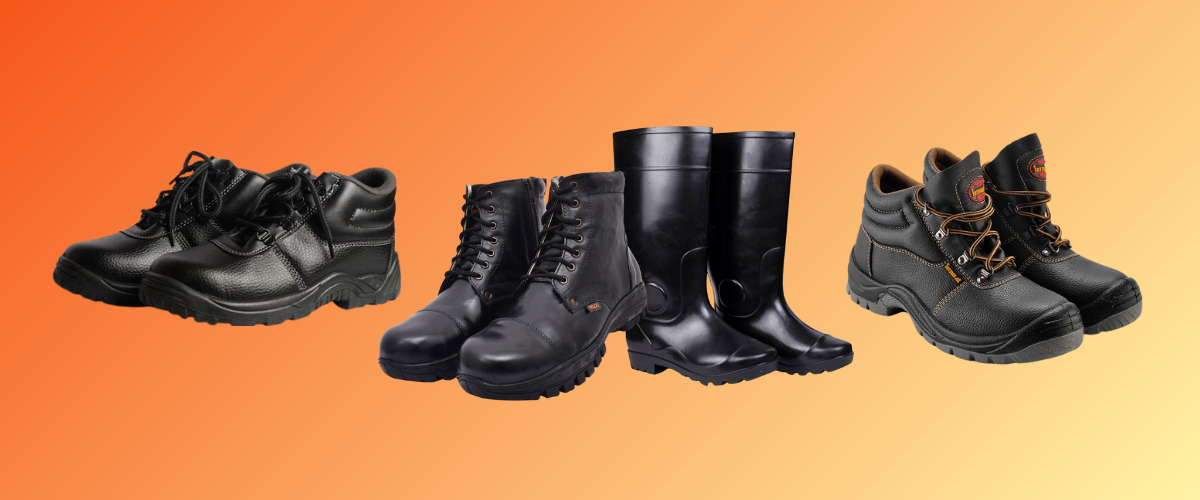
Certain industries require fabrics meeting specific safety standards. These materials incorporate flame resistance, high visibility, chemical resistance, or other protective properties.
Strengths:
- Meets regulatory compliance requirements
- Protects workers in hazardous environments
- Purpose-built for specific industry challenges
- Often includes additional durability features
Limitations:
- Usually higher cost
- Can be less comfortable than standard fabrics
- Limited style options
- May require specialized cleaning
Best Applications: Manufacturing facilities, construction sites, chemical plants, welding operations, electrical work, and any environment with specific safety mandates.
Blended Wool and Wool Alternatives
For executive custom blazers and premium corporate wear, wool blends offer sophistication that other materials can’t match.
Strengths:
- Superior drape and professional appearance
- Natural temperature regulation
- Wrinkle resistance when properly blended
- Projects executive-level quality
Limitations:
- Requires dry cleaning or careful washing
- Higher cost per garment
- May feel too warm in some climates
- Not suitable for all work environments
Best Applications: Executive suites, luxury hospitality, high-end corporate settings, and formal business environments.

Matching Fabric to Industry: A Practical Framework
Corporate Office Environments
Corporate settings demand fabrics that maintain a polished appearance throughout the workday while keeping employees comfortable in climate-controlled spaces.
Recommended Fabrics:
- Cotton-polyester blends (60/40 or 65/35) for custom shirts
- Wool blends for custom blazers and formal wear
- Performance cotton for warmer months
- Stretch-blend fabrics for ladies office uniforms requiring flexibility
Key Considerations: Your fabric choice should withstand daily commutes, eight hours in various office temperatures, and frequent dry cleaning or washing. The fabric needs to resist wrinkles while looking sharp in client-facing situations.
Hospitality Industry
Hotels, restaurants, and tourism businesses face unique challenges. Staff members move constantly, work in varying temperatures, and their appearance directly impacts guest perceptions.
Recommended Fabrics:
- Polyester-rich blends for housekeeping and back-of-house
- Cotton blends with stretch for front-desk ladies office uniforms
- Performance fabrics for outdoor hospitality staff
- Stain-resistant treated fabrics for food service
Key Considerations: Hospitality uniforms must withstand multiple daily washings, resist staining, maintain color despite harsh commercial laundering, and look immaculate throughout long shifts.
Healthcare Settings
Healthcare uniforms require special attention to hygiene, comfort during long shifts, and functionality for medical professionals who move constantly.
Recommended Fabrics:
- Antimicrobial-treated polyester blends
- Fluid-resistant performance fabrics
- Stretch-incorporated materials for mobility
- Quick-dry fabrics for frequent washing
Key Considerations: Medical environments demand fabrics that survive aggressive sanitization processes, provide comfort during twelve-hour shifts, and maintain professional appearance despite demanding physical requirements.
Industrial and Manufacturing
Factory floors, warehouses, and production facilities need uniforms that prioritize durability, safety, and functionality over formal appearance.
Recommended Fabrics:
- Heavy-duty cotton-polyester blends
- Ripstop fabrics for tear resistance
- Flame-resistant materials where required
- High-visibility fabrics for safety compliance
Key Considerations: Industrial fabrics must withstand abrasion, resist tears and snags, protect workers from workplace hazards, and maintain structural integrity despite harsh conditions.
Retail Environments
Retail staff need to look approachable and on-brand while staying comfortable during long standing hours and constant customer interaction.
Recommended Fabrics:
- Comfortable cotton blends for logo t-shirts
- Wrinkle-resistant polyester blends for continuous wear
- Stretch fabrics for mobility
- Easy-care materials that maintain appearance
Key Considerations: Retail uniforms must project brand image, withstand frequent movement and restocking activities, and remain presentable without constant adjustments.

The Quality Control Difference: What Premium Manufacturing Means
Not all corporate uniform manufacturers approach quality control the same way. Premium manufacturers implement rigorous testing and quality assurance processes that directly impact your uniform program’s success.
Fabric Testing and Certification
Quality manufacturers test fabric for colorfastness, shrinkage, pilling resistance, tensile strength, and wear durability before production begins. This testing ensures the fabric performs as promised throughout its lifecycle.
Modern Stitching Techniques
Advanced stitching technology creates stronger seams, cleaner finishes, and better overall construction. Double-stitched stress points, reinforced buttonholes, and properly finished edges separate quality uniforms from cheap alternatives.
Consistent Sizing and Fit
Premium manufacturers maintain strict sizing standards across production runs. This consistency means reorders fit properly and different employees receive truly uniform garments.
Color Matching and Consistency
Professional uniform programs require precise color matching. Quality manufacturers use standardized dye processes and color-matching technology to ensure navy blue means the same shade across all garments and orders.
Making the Right Choice: A Decision Framework for Buyers
Assess Your Environment First
Start by honestly evaluating your workplace conditions:
- What are typical daily temperatures and climate controls?
- How physically demanding are the roles?
- What are the hygiene and cleaning requirements?
- Are there safety regulations to consider?
- How much customer or client interaction occurs?
Consider Your Team’s Needs
Your employees will wear these uniforms daily. Gather feedback about:
- Current uniform pain points
- Comfort preferences
- Mobility requirements
- Personal care preferences
- Sizing diversity needs
Calculate True Cost of Ownership
Don’t fixate on per-garment cost. Instead, calculate:
- Expected lifespan of garments
- Replacement frequency
- Laundering costs and requirements
- Employee satisfaction impact
- Brand image value
Test Before Committing
Reputable corporate uniform manufacturers offer sample programs or pilot testing. Take advantage of these opportunities to validate fabric choices before full rollout.
Common Fabric Selection Mistakes to Avoid
Choosing Based on Price Alone: The cheapest option rarely delivers the best value. Factor in replacement costs, employee satisfaction, and brand impact.
Ignoring Climate Realities: A fabric that works beautifully in air-conditioned offices may torture employees working outdoors or in warehouse environments.
Overlooking Maintenance Requirements: High-maintenance fabrics create ongoing costs and complications. Ensure your organization can properly care for the fabrics you choose.
One-Size-Fits-All Mentality: Different roles may require different fabric solutions. Front-line customer service might need different fabrics than back-office operations.
Neglecting Employee Input: The people wearing uniforms daily have valuable insights. Ignoring their feedback leads to dissatisfaction and program failure.
Emerging Trends in Uniform Fabrics
The uniform industry continues evolving with technological advances and changing workforce expectations.
Sustainable Materials: Recycled polyester, organic cotton, and eco-friendly treatments appeal to environmentally conscious organizations and employees.
Smart Fabrics: Temperature-regulating materials and moisture management systems improve comfort in demanding environments.
Antimicrobial Treatments: Permanent odor-control treatments are becoming standard, especially post-pandemic.
Stretch Integration: Even formal business wear now incorporates subtle stretch for comfort without sacrificing professional appearance.
Building Your Uniform Program for Success
Quality uniforms start with smart fabric selection, but success requires ongoing program management.
Establish Clear Guidelines
Create documentation covering proper care, replacement schedules, and appropriate wear situations for each uniform type.
Implement Regular Reviews
Schedule annual reviews of your uniform program to assess fabric performance, gather employee feedback, and identify improvement opportunities.
Partner with Quality Manufacturers
Work with corporate uniform manufacturers who offer consultation services, fabric expertise, and ongoing support beyond the initial order.
Plan for Growth and Changes
Choose fabric platforms that allow program expansion without requiring complete overhauls when you add new locations or roles.
Frequently Asked Questions
Q: How often should corporate uniforms be replaced?
A: Quality uniforms made from premium fabrics typically last 18-24 months with proper care. However, replacement frequency depends on wear intensity, laundering frequency, and appearance standards. Establish visual quality standards and replace individual garments as they show wear rather than on rigid schedules.
Q: Are polyester blends as comfortable as pure cotton for office uniforms?
A: Modern polyester blends have evolved significantly and can offer comparable comfort to pure cotton, especially in climate-controlled environments. The key is choosing quality blends with appropriate cotton percentages. Many employees actually prefer blends for their wrinkle resistance and easy care properties, particularly for custom shirts and men office uniforms.
Q: What fabric works best for employees who work both indoors and outdoors?
A: Performance fabrics with moisture-wicking and temperature-regulating properties work best for mixed environments. Look for polyester-cotton blends with technical features that adapt to temperature changes while maintaining professional appearance. Layering programs also help, combining lightweight logo t-shirts with optional blazers.
Q: How do I balance cost concerns with quality fabric requirements?
A: Calculate total cost of ownership rather than per-garment price. Quality fabrics cost more initially but reduce replacement frequency, improve employee satisfaction, and project better brand image. Start with critical customer-facing roles in premium fabrics, then extend to other positions as budget allows. The investment typically pays for itself within two years.
Q: Can custom blazers and formal uniforms include stretch fabrics without looking unprofessional?
A: Absolutely. Modern fabric technology incorporates subtle stretch into professional materials without compromising appearance. Many ladies office uniforms and men’s blazers now include 2-5% stretch fibers that improve comfort and mobility while maintaining executive-level presentation. The key is working with experienced corporate uniform manufacturers who understand proper fabric selection.
Transform Your Uniform Program with Expert Fabric Selection
The difference between an adequate uniform program and an exceptional one often comes down to fabric choice. When you prioritize quality materials, proper fabric-to-environment matching, and expert manufacturing, you create uniforms that employees appreciate wearing and that authentically represent your brand values.
Quality fabrics aren’t an expense—they’re an investment in employee comfort, brand perception, and long-term cost efficiency. Whether you need custom shirts for a corporate office, ladies office uniforms for a hospitality environment, logo t-shirts for retail staff, or specialized garments for industrial settings, the fabric foundation determines success.
Ready to elevate your uniform program with premium fabrics and expert guidance? Our team specializes in matching the right fabrics to your specific industry requirements, ensuring your uniforms deliver comfort, durability, and professional appearance. From custom blazers for executives to practical men office uniforms for daily operations, we combine fabric expertise with modern manufacturing excellence.
Contact us today for a complimentary uniform program consultation.
Let’s discuss your specific needs, explore fabric options suited to your environment, and design a uniform solution that your team will be proud to wear and your customers will notice for all the right reasons. Your employees deserve uniforms built on a foundation of quality—and your brand deserves the competitive advantage that comes with it.