How Much Do Corporate Uniforms Cost in India? A Complete Pricing Guide
If you run a business in India and you’re thinking about rolling out uniforms for your staff, the first question that comes up every single time is simple: how much is this going to cost me?
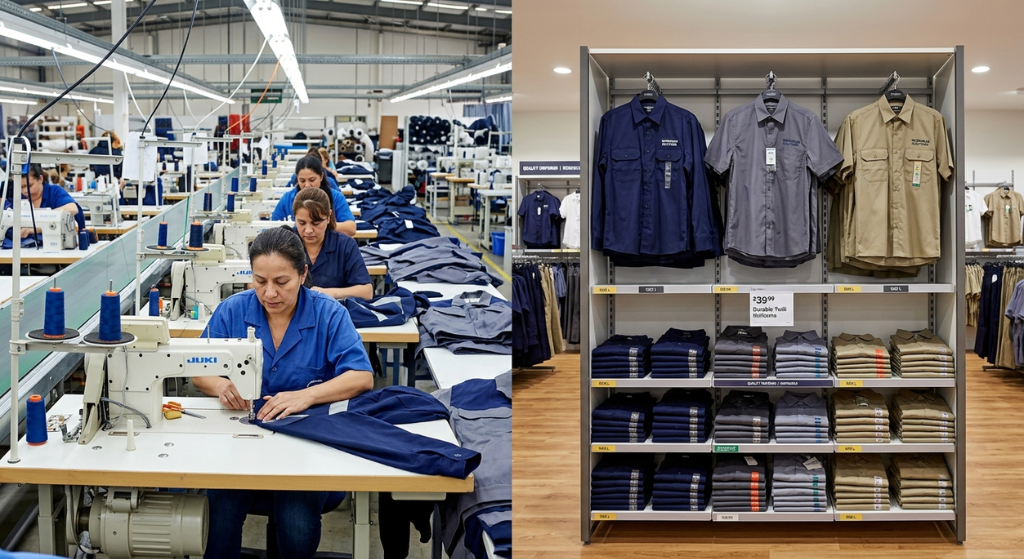
It’s a fair question, and honestly, there’s no one-line answer. Corporate uniform pricing in India depends on a mix of factors — fabric choice, garment type, order volume, customisation, and who you’re sourcing from. In this guide, we’ll break down the real numbers, explain what drives them up or down, and help you budget accurately for your team.
Why Corporate Uniform Costs Vary So Much
Walk into two different uniform suppliers with the same requirement, and you might get quotes that differ by 30-40%. That’s not one of them ripping you off — it usually comes down to:
- Fabric quality and composition (cotton vs polyester vs blended fabrics)
- Garment complexity (a plain shirt vs a tailored blazer)
- Order quantity (bulk orders bring per-piece costs down significantly)
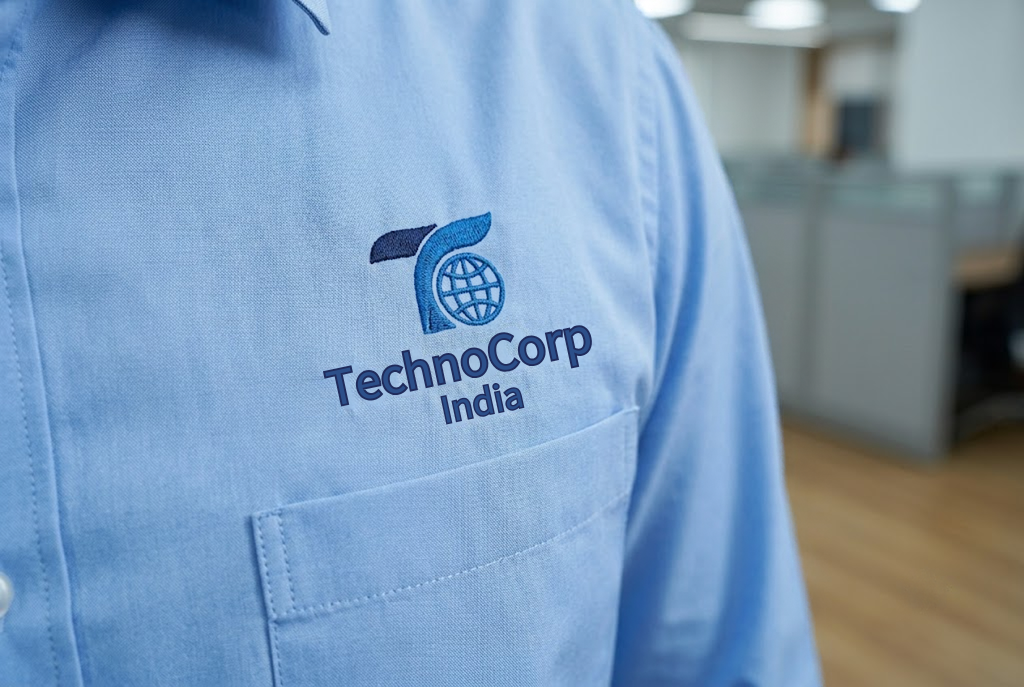
- Branding requirements (embroidery, printing, patches)
- Customisation level (standard sizing vs made-to-measure)
- Vendor type (local tailor vs organised uniform manufacturer)
Understanding these variables is the key to getting a uniform program that fits your budget without compromising on how your team looks.
Average Corporate Uniform Price Range in India
To give you a realistic starting point, here’s a general breakdown of what businesses typically pay per piece, depending on the garment category.
Formal Office Wear
| Garment Type | Approximate Price Range (Per Piece) |
|---|---|
| Formal Shirts | ₹350 – ₹900 |
| Formal Trousers | ₹500 – ₹1,200 |
| Blazers | ₹1,500 – ₹4,000 |
| Sarees / Salwar Kameez Sets | ₹600 – ₹2,000 |
| Neckties | ₹150 – ₹400 |
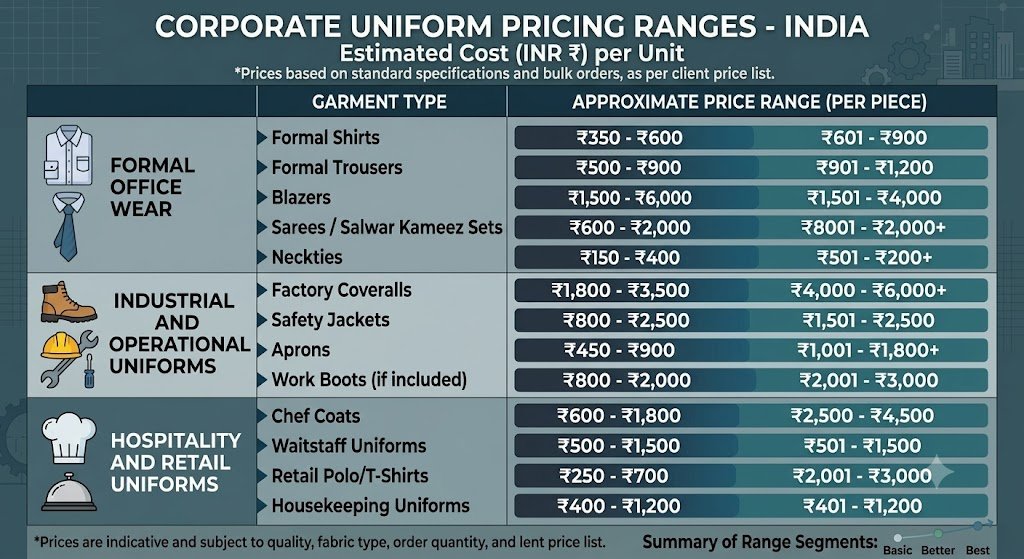
Industrial and Operational Uniforms
| Garment Type | Approximate Price Range (Per Piece) |
|---|---|
| Factory Coveralls | ₹500 – ₹1,500 |
| Safety Jackets | ₹800 – ₹2,500 |
| Aprons | ₹250 – ₹700 |
| Work Boots (if included) | ₹800 – ₹3,000 |
Hospitality and Retail Uniforms
| Garment Type | Approximate Price Range (Per Piece) |
|---|---|
| Chef Coats | ₹600 – ₹1,800 |
| Waitstaff Uniforms | ₹500 – ₹1,500 |
| Retail Polo/T-Shirts | ₹250 – ₹700 |
| Housekeeping Uniforms | ₹400 – ₹1,200 |
Keep in mind these are indicative ranges. Prices shift based on the city you’re sourcing from, current raw material costs, and the specific supplier you work with.
What Factors Actually Drive Uniform Pricing?
1. Fabric Selection
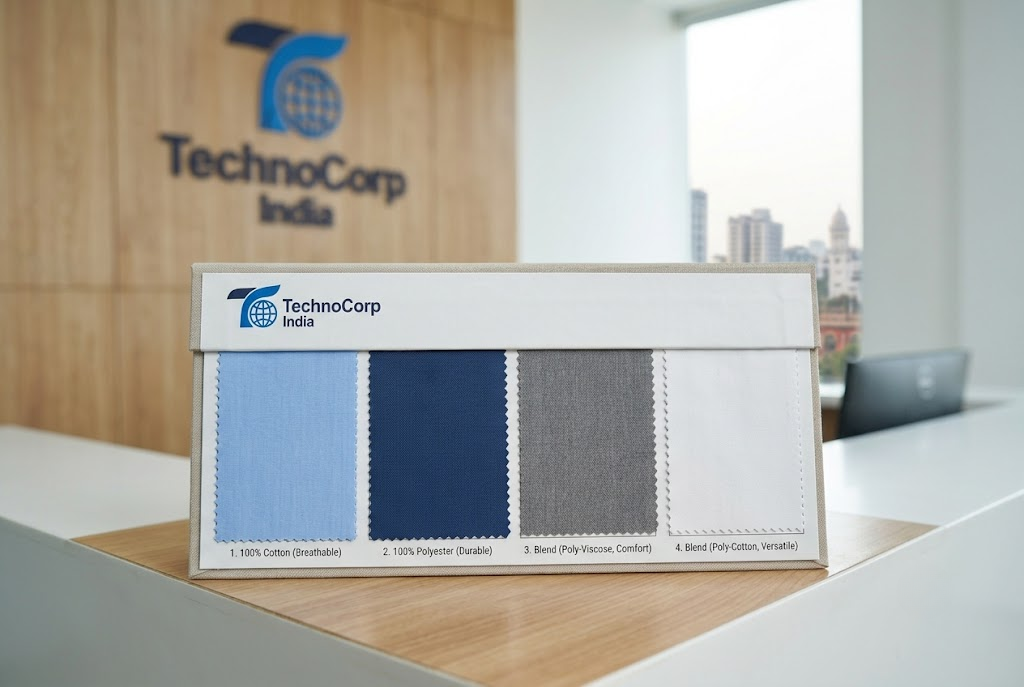
Fabric is usually the single biggest cost driver. A few common options:
- Cotton – breathable, comfortable, but often pricier than synthetics and prone to wrinkling
- Polyester and poly-blends – durable, wrinkle-resistant, and more budget-friendly
- Cotton-polyester blends – a middle ground that balances comfort and cost
- Technical fabrics (moisture-wicking, stain-resistant) – premium pricing for premium performance
If comfort matters more than budget — think customer-facing staff working long shifts — cotton blends are usually worth the extra spend.
2. Order Quantity
This is where the real savings happen. Uniform manufacturing works on economies of scale, so:
- Small orders (under 50 pieces) often come at near-retail pricing
- Mid-size orders (100-500 pieces) typically see a 15-25% reduction per piece
- Bulk orders (500+ pieces) can bring costs down by 30% or more compared to small-batch pricing
If you’re a growing company, it often makes sense to order slightly ahead of your current headcount to lock in better bulk rates.
3. Branding and Customisation
Adding your company logo, name, or design elements changes the price based on method:
- Embroidery – durable and premium-looking, moderate cost increase
- Screen printing – cost-effective for large orders, less durable over time
- Heat transfer/vinyl printing – good for detailed graphics, mid-range pricing
- Woven patches – higher upfront cost but long-lasting
For formal wear like shirts and blazers, embroidery is the industry standard because it holds up well through repeated washing.
4. Design Complexity
A basic polo shirt with a single-colour logo costs far less than a tailored blazer with lining, contrast stitching, and multiple panels. The more construction and detailing involved, the higher the labour cost — and labour is a significant chunk of the final price.
5. Sizing Approach
- Standard sizing (S, M, L, XL) keeps costs predictable and lower
- Made-to-measure uniforms cost more but reduce alteration needs and improve fit consistency across your team
For most corporate environments, a well-graded standard size chart works fine. Made-to-measure is usually reserved for leadership attire or premium client-facing roles.
Hidden Costs to Budget For
Many businesses only account for the per-piece garment cost and get caught off guard by additional expenses. Don’t forget to factor in:
- Sample development charges – suppliers often charge for prototype samples before full production
- Setup/digitisation fees for embroidery designs
- Shipping and logistics across multiple office locations
- Alteration costs for individual fit adjustments
- Replacement stock for new hires or damaged uniforms
- GST — applicable on uniform purchases, so confirm whether quotes are inclusive or exclusive
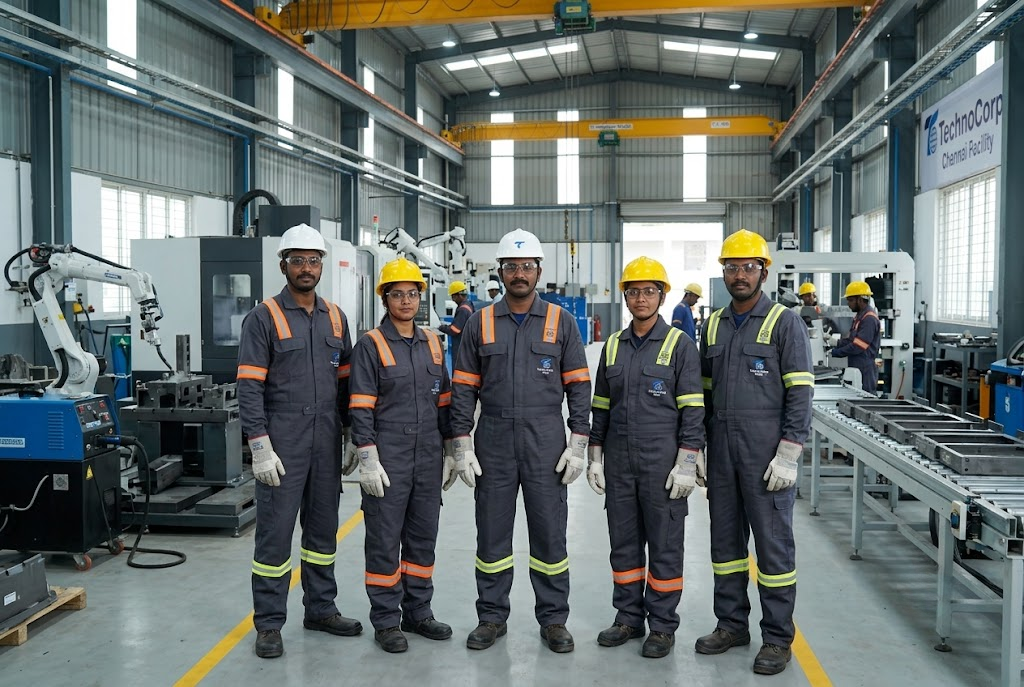
Asking your supplier for a fully itemised quote upfront saves a lot of budget headaches later.
How to Get the Best Value on Corporate Uniforms
Compare Multiple Suppliers
Don’t settle for the first quote. Reach out to at least three vendors and compare not just pricing, but fabric samples, turnaround time, and after-sales support like reordering and alterations.
Choose Practical Over Premium Where It Makes Sense
Not every role needs the most expensive fabric. Reserve higher-end materials for client-facing positions and go with cost-effective, durable options for back-office or operational staff.
Plan for Annual or Bi-Annual Reordering
Instead of one-off purchases, establishing a recurring order cycle with your supplier often unlocks loyalty pricing and ensures consistent quality across batches.
Negotiate Based on Total Relationship Value
If you’re ordering uniforms plus related items — like ID card lanyards, jackets, or promotional merchandise — bundling the order with one supplier usually gets you better overall pricing.
Request Fabric Swatches Before Committing
A cheaper fabric that pills or fades quickly ends up costing more in replacements. Always test fabric quality with physical swatches before placing a bulk order.
Corporate Uniforms: A Cost or an Investment?
It’s easy to view uniforms purely as an operational expense, but that framing misses the bigger picture. A well-designed uniform program does real work for your business:
- Reinforces brand identity every time an employee interacts with a customer
- Builds team cohesion and a sense of belonging among staff
- Projects professionalism that can influence client trust and perception
- Simplifies daily decision-making for employees, reducing workplace friction
When you look at uniforms this way, the per-piece cost becomes less important than the overall return — consistent brand presentation across every touchpoint your business has with the outside world.
Frequently Asked Questions
1. What is the average cost of a corporate uniform in India? On average, a basic corporate uniform set (shirt and trousers) costs between ₹800 and ₹2,000 per employee, depending on fabric quality and branding requirements. Premium sets with blazers or tailored fits can go higher.
2. Does uniform cost reduce with bulk orders? Yes. Bulk orders typically reduce the per-piece cost by 15-30%, since manufacturing setup costs, fabric procurement, and labour get distributed across a larger quantity.
3. Is GST applicable on corporate uniform purchases? Yes, GST applies to uniform purchases in India. Always confirm with your supplier whether their quoted price is inclusive or exclusive of GST to avoid budget surprises.
4. Which fabric is most cost-effective for corporate uniforms? Polyester and cotton-polyester blends are generally the most budget-friendly options, offering durability and wrinkle resistance at a lower cost than pure cotton.
5. How often should a company replace employee uniforms? Most businesses replace uniforms every 12-18 months for regular wear roles, and slightly more frequently for physically demanding jobs like manufacturing or hospitality.
6. Can small businesses order uniforms in low quantities? Yes, most suppliers accommodate smaller orders, though the per-piece price will be higher than bulk pricing. Some vendors set minimum order quantities, so it’s worth checking before finalising a supplier.
7. What’s the difference between embroidery and printed branding costs? Embroidery costs more upfront but lasts significantly longer through repeated washing, making it more economical over the uniform’s lifespan. Printing is cheaper initially but wears faster.
Ready to Outfit Your Team the Right Way?
Getting your corporate uniform budget right isn’t just about finding the lowest price — it’s about finding the right balance of quality, branding, and cost that fits your business goals. Whether you’re outfitting a five-person office or a five-hundred-person workforce, getting quotes tailored to your exact requirements makes all the difference.
Get in touch with a uniform specialist today for a customised quote based on your team size, industry, and branding needs.