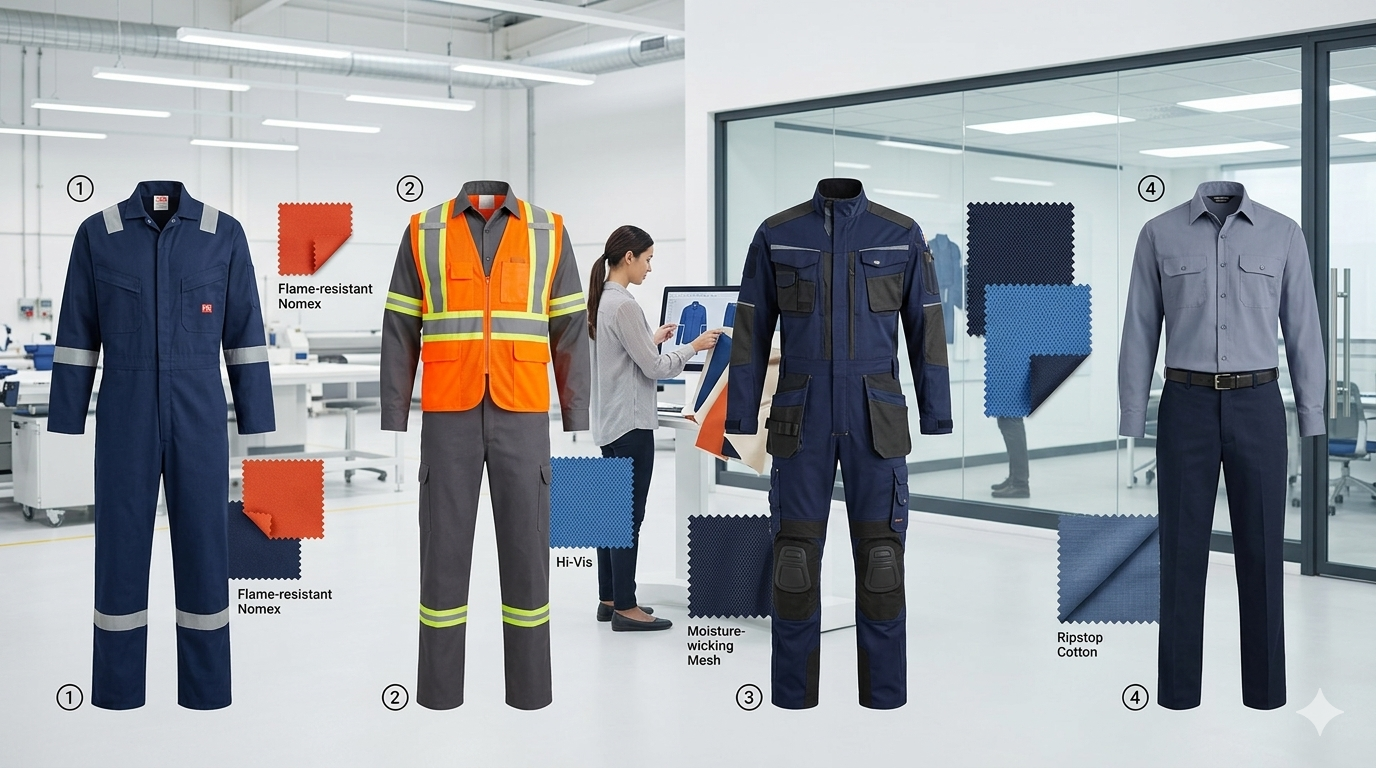
How to Design the Perfect Corporate Uniform T-Shirt for Your Brand
In today’s highly competitive marketplace, creating a strong brand identity goes beyond logos, websites, and business cards. One of the simplest yet most impactful ways to boost your company’s presence is through corporate uniforms, particularly corporate T-shirts. A thoughtfully designed brand uniform not only promotes professionalism and unity among employees but also communicates your brand values to customers, clients, and stakeholders.
This guide will walk you through how to design the perfect corporate uniform T-shirt for your brand, ensuring it is comfortable, stylish, and aligned with your organization’s identity.

Why Corporate Uniforms Matter
1. Build a Consistent Brand Image
A corporate uniform ensures that every employee showcases the same level of professionalism. A uniform T-shirt is essentially a “walking advertisement,” reinforcing brand visibility everywhere it’s worn.
2. Increase Employee Confidence and Belonging
When employees wear corporate T-shirts, it fosters a sense of unity and pride. People feel like they’re part of something bigger, enhancing teamwork and boosting morale.
3. Cost-Effective Marketing
Unlike traditional advertisements, which fade after a campaign ends, corporate uniforms offer long-lasting visibility. Your brand logo is seen at events, client meetings, or even during casual outings.
Steps to Designing the Perfect Corporate Uniform T-Shirt
Designing the ideal brand uniform requires careful planning. You need to strike the right balance between comfort, creativity, and brand representation. Let’s break down the process:
Step 1. Define Your Brand Identity
Before you select fabrics or colors, clarify:
- Core values of your brand – Are you casual and creative, or professional and formal?
- Target audience – Who are you trying to attract?
- Brand voice and personality – Fun, dynamic, eco-friendly, or authoritative?
For example, a tech startup may want modern, minimal designs, while a luxury business might prefer elegant polos with subtle branding.
Step 2. Select the Right Fabric
Your employees will wear these corporate T-shirts during long working hours, events, and sometimes outdoor activities. Comfort should be a priority.
Popular fabric options:
- Cotton: Soft, breathable, ideal for comfort.
- Polyester blends: Durable, wrinkle-free, and moisture-wicking.
- Organic cotton or bamboo: Perfect for sustainable brands.
- Dry-fit fabrics: Great for active work environments.
Tip: Always balance style and functionality. A good-looking but uncomfortable fabric will fail in the long run.
Step 3. Choose the Right Colors
Color plays a huge role in branding. Each shade represents specific emotions and messages:
- Black/Gray/Blue: Professional, authoritative, trustworthy.
- Bright Colors (Red, Orange, Yellow): Energetic, creative, attention-grabbing.
- White: Minimalistic, clean, timeless.
- Green: Eco-conscious, fresh, approachable.
Make sure the colors align with your brand uniform and existing logo palette.
Step 4. Logo Placement and Size
The placement of your logo on the T-shirt can make or break the design.
Best practices:
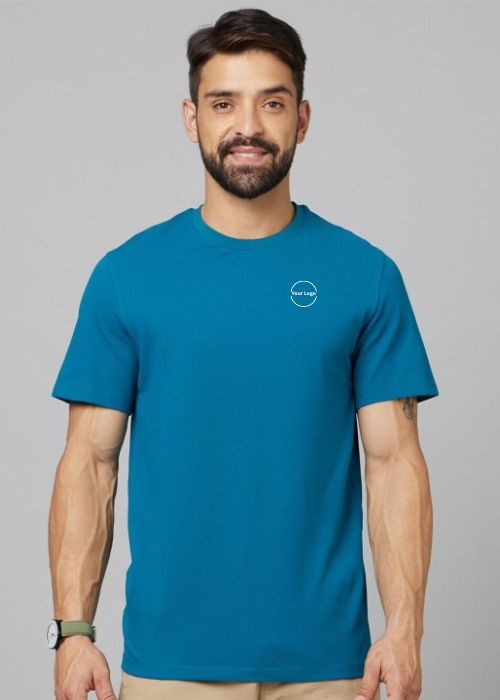
- Small logo on the left chest for subtle branding.
- Large logo on the back for visibility at outdoor events.
- Sleeve placement for creative branding (great for sports teams or startups).
- Avoid oversized logos that look aggressive or cheap.
Step 5. Add Creative Design Elements
While minimalism works well, you can add small design features that set your corporate uniform apart:
- Subtle tagline or mission statement
- Unique stitching on collars or sleeves
- Patterns or graphics that highlight company culture
- QR codes for promotional events (modern and interactive approach)
Step 6. Ensure Proper Fit and Style Options
Not all employees will feel comfortable in the same style. Consider offering:
- Polo-style corporate uniforms (formal yet comfortable)
- Classic crewneck corporate T-shirts (casual and dynamic)
- Full-sleeve T-shirts (great for cooler climates)
Providing variety allows employees to feel confident while still aligning with the brand.
Step 7. Prioritize Quality Over Quantity
A poorly stitched or low-quality corporate T-shirt will quickly lose shape, color, and comfort. High-quality uniforms not only last longer but reflect positively on your business image.
Step 8. Collaborate with a Professional Designer
While you may have ideas, a professional offers expertise in typography, color balance, and placement. Working with a corporate apparel designer ensures your brand is represented accurately and stylishly.
Step 9. Get Employee Feedback
Your employees will wear the uniform daily, so their input matters. Conduct a quick survey or sample trial before mass production. This ensures higher acceptance and pride in wearing the brand uniform.
Step 10. Consider Customization for Events
Apart from daily uniforms, consider limited-edition corporate T-shirts for events, product launches, or team-building sessions. These create excitement and increase brand recall.
Best Design Practices for Corporate Uniform T-Shirts
- Keep the design clean and minimal
- Use brand colors wisely
- Prioritize comfort and durability
- Match the tone of the brand (casual vs. formal)
- Always test samples before mass production
Mistakes to Avoid
- Overcrowding the T-shirt with too many graphics or slogans
- Choosing cheap fabrics to cut costs
- Ignoring employee comfort and sizing needs
- Not testing how the colors look in natural light
- Forgetting long-term durability in repeated washes
Benefits of a Well-Designed Corporate T-Shirt
- Boosts employee morale and team culture
- Creates a professional and trustworthy image
- Acts as a long-term marketing tool
- Helps customers easily identify staff at events or locations
- Strengthens overall brand reputation
Frequently Asked Questions (FAQ)
Q1: What is the best fabric for corporate T-shirts?
A: Cotton for comfort, polyester blends for durability, and dry-fit fabrics for active environments are the most popular options.
Q2: Should corporate T-shirts be the same for all employees?
A: Not necessarily. Offering style variations (like polo or crewneck) keeps employees comfortable while maintaining uniformity.
Q3: How can I make my brand uniform stand out?
A: Use unique design touches, like sleeve branding, minimal patterns, or exclusive event editions, while staying aligned with your logo colors.
Q4: How often should we update corporate T-shirt designs?
A: Every few years or during a major brand refresh to keep the design modern and aligned with evolving brand identity.
Q5: Are corporate uniforms really worth the investment?
A: Absolutely. They enhance professionalism, build team spirit, and double as cost-effective branding tools.
Call-to-Action
Ready to design a corporate uniform that reflects your brand identity and inspires your team? Our expert uniform design and production services ensure your corporate T-shirts look professional, feel comfortable, and leave a lasting impression.
Get in touch today for a free consultation and T-shirt design mockup!