Why Industrial Safety Shoes Are Essential for Workplace Safety
Workplace safety is a non-negotiable priority across industries. Whether it’s manufacturing, construction, oil and gas, logistics, or even large-scale warehouses, every professional environment comes with its set of risks. While companies invest heavily in safety equipment and training, industrial safety shoes—commonly called safety boots—remain one of the most fundamental yet overlooked essentials of worker safety.
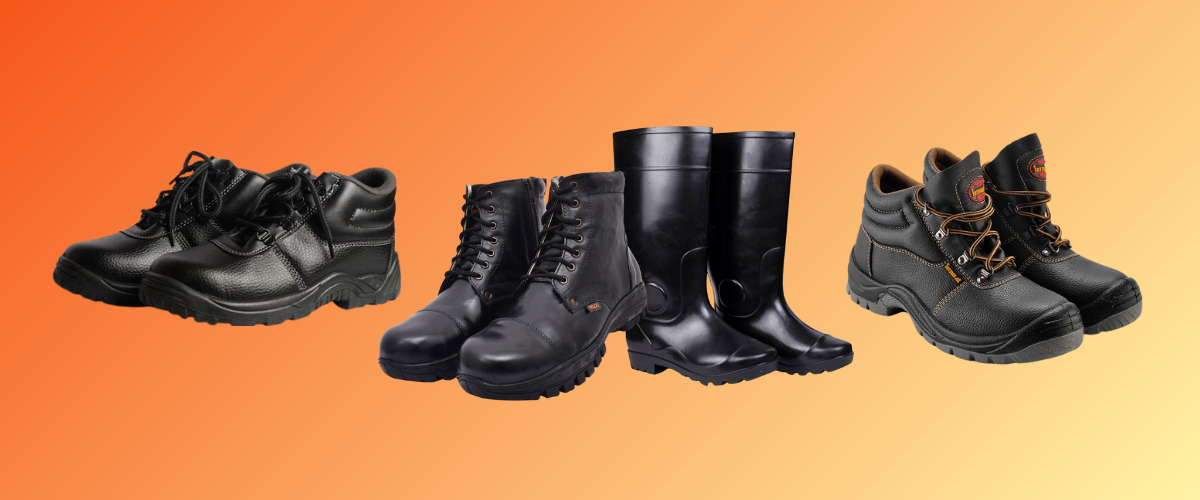
It’s not just about compliance with laws or ticking off a safety checklist. The right footwear helps prevent life-altering injuries, boosts worker morale, and ensures smooth operations without costly disruptions. From durable gumboots designed for wet conditions to branded safety shoes tailored for all-day comfort—foot protection is integral to workplace well-being.
Why Industrial Safety Shoes Matter
1. Protection Against Physical Hazards
Industrial workers face countless risks such as:
- Falling objects: Tools, machinery parts, or heavy materials often fall unexpectedly. Reinforced toe caps in safety boots protect feet from severe crushing injuries.
- Sharp materials: Glass, nails, or sharp metals can easily penetrate ordinary shoes. Industrial safety shoes come with puncture-resistant soles to prevent such injuries.
- Electrical hazards: Workers in electrical or electronic industries need shoes with proper insulation to minimize electrocution risks.
- Slips and falls: Anti-slip soles reduce the chances of skidding on oil, water, or grease-covered flooring.
2. Long-Term Health Benefits
Improper footwear often causes fatigue, back pain, and musculoskeletal issues. Branded safety shoes are ergonomically designed to:
- Provide arch support
- Ensure shock absorption
- Reduce strain during long working shifts
3. Compliance with Safety Standards
Every country has specific workplace safety regulations that mandate the use of certified safety boots. Non-compliance not only endangers employees but also invites legal consequences and penalties for employers. By equipping workers with the right footwear, businesses demonstrate responsibility and compliance.
Types of Industrial Safety Shoes
Choosing the right footwear depends on the nature of work and workplace hazards. Broadly, these categories stand out:
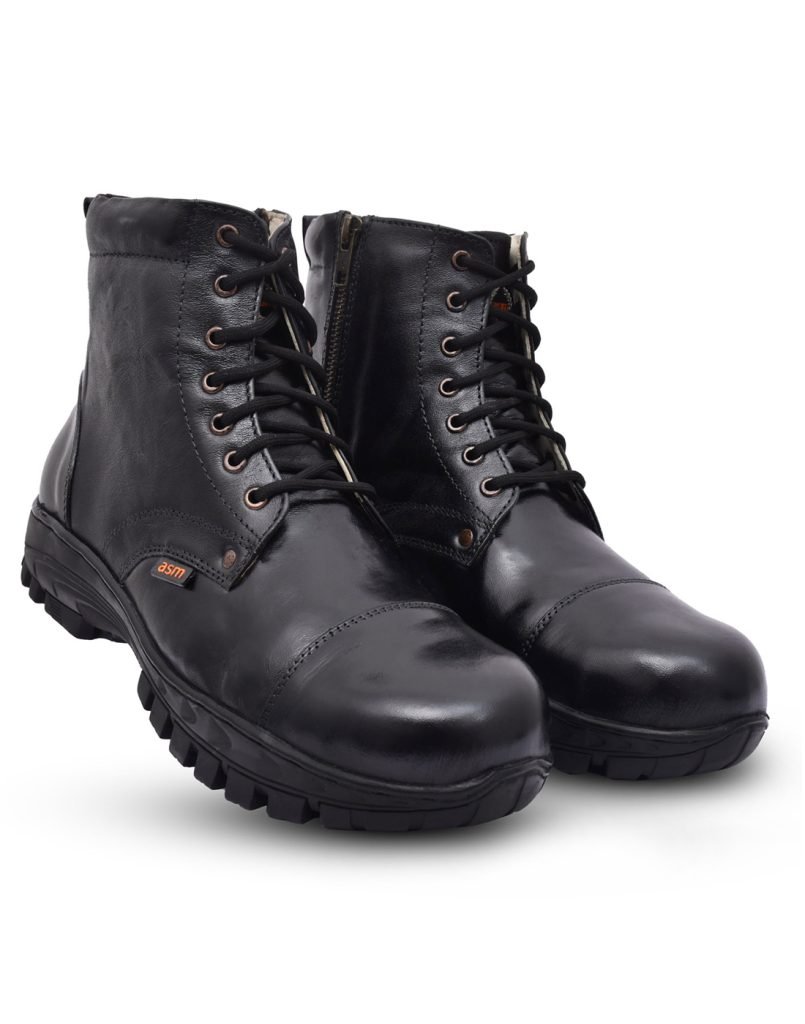
1. Safety Boots
- Heavy-duty, ankle-covering boots with reinforced toe caps
- Offer maximum resistance against impacts and sharp objects
- Widely used in construction, mining, metal fabrication, and manufacturing units
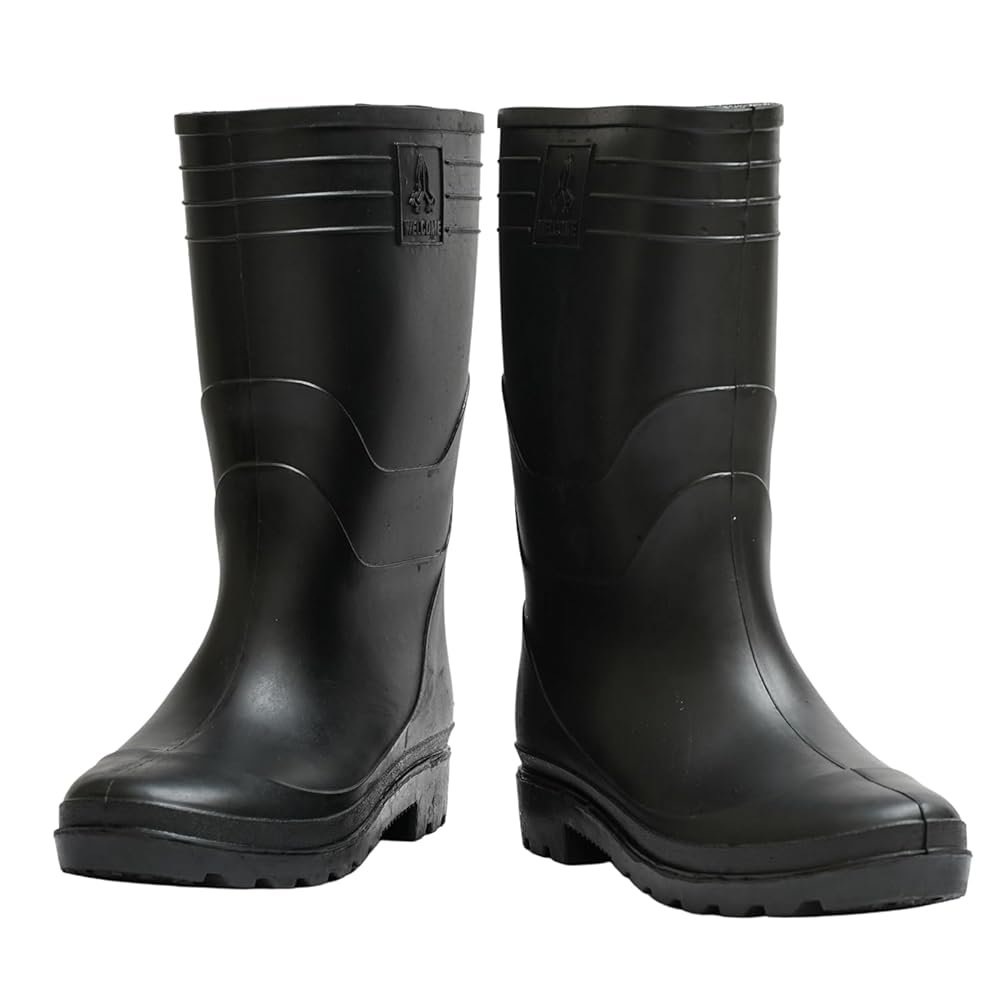
2. Gumboots
- Waterproof, knee-length boots, ideal for wet or chemical-prone environments
- Used by workers in agriculture, oil and gas, sanitation, food processing, and chemical industries
- Protect not only the feet but also lower legs from hazardous spills
3. Branded Safety Shoes
- Designed not only for protection but also for comfort and style
- Incorporate advanced technologies like breathable materials, cushioned insoles, and lightweight designs
- Brands ensure compliance with international safety standards
4. Specialized Safety Shoes
- ESD (Electrostatic discharge) footwear for electronics assembly lines
- Heat-resistant shoes for foundries and welding workshops
- Cold-resistant shoes for refrigerated storage units or cold-chain industries
Key Features to Look for in Safety Footwear
When selecting safety shoes for your workforce, consider the following:
The Business Case for Investing in Safety Shoes
Many organizations hesitate to allocate higher budgets for branded safety shoes. However, the return on investment (ROI) is multi-fold:
- Reduced workplace accidents – Minimizing injuries avoids medical costs, insurance claims, and downtime.
- Boosted worker morale – Employees feel valued when employers invest in their safety and comfort.
- Better productivity – Comfortable shoes keep workers focused and efficient.
- Long-term savings – High-quality safety boots last longer, reducing frequent replacement costs.
Investing in the right safety footwear is not a cost—it’s an asset for secure business operations.
Common Workplace Hazards Prevented by Safety Footwear
- Crushing injuries from dropped machinery parts
- Slipping accidents in warehouses or oil zones
- Puncture wounds from nails, glass shards, or metallic debris
- Chemical burns caused by corrosive liquid spills
- Electrocution risks in electrical-heavy industries
- Extreme weather injuries in cold storage units and outdoor worksites
Every potential hazard correlates with a footwear solution, making it essential to match the shoe type to the job role.
Safety Shoes vs Regular Work Shoes
Feature | Regular Shoes | Industrial Safety Shoes |
Toe Protection | None | (Steel/Composite) |
Slip Resistance | None | Anti-slip outsoles |
Puncture Resistance | None | Protective midsoles |
Comfort for long shifts | Limited | Enhanced ergonomics |
Safety Certifications | None | ISI, CE, ASTM approved |
This comparison highlights why safety boots are a necessity, not a luxury.
How to Choose the Right Pair of Safety Boots
Step 1: Assess Workplace Risks
Evaluate if workers face risks from chemicals, electricity, heavy objects, or weather exposure.
Step 2: Match Shoe Features with Hazards
- Wet zones → Gumboots
- Electrical work → Non-conductive safety shoes
- Construction → Steel-toe boots
- Long shifts → Lightweight, branded safety shoes with cushioned insoles
Step 3: Verify Certifications
Always check for recognized test marks like EN ISO, ASTM, or equivalent certifications according to your region.
Step 4: Focus on Employee Comfort
The best protection is useless if workers avoid wearing the shoes. Comfort drives compliance.
FAQs: Industrial Safety Shoes
Q1. Why are industrial safety shoes important?
Industrial safety shoes protect workers from injuries caused by falls, impacts, punctures, electrical risks, and chemical spills.
Q2. How do gumboots differ from safety boots?
Gumboots are waterproof and ideal for wet, muddy, or chemical-prone workplaces, whereas safety boots provide reinforced protection for heavy-duty industrial environments.
Q3. Are branded safety shoes worth the investment?
Yes. Branded safety shoes ensure compliance, offer higher durability, and provide comfort features that keep employees productive.
Q4. Do all industries require industrial safety shoes?
Not all. However, industries involving heavy machinery, wet areas, chemicals, or electrical work must mandate them for worker protection.
Q5. What certifications should I look for in safety footwear?
Look for ISI, CE, EN ISO, or ASTM standards that validate quality and safety compliance.
Conclusion
Investing in the right industrial safety shoes is not just about fulfilling regulations—it’s about safeguarding lives, protecting productivity, and securing business operations. Whether it’s heavy-duty safety boots for construction, waterproof gumboots for chemical plants, or comfortable branded safety shoes for long shifts—every pair is essential in its unique way.
As industries evolve with complex technologies and processes, one principle remains timeless: safety first. And in any strategy for workplace safety, strong, protective, and reliable footwear is the foundation employees stand on—literally and figuratively.
Call-to-Action
Are you ready to upgrade your workforce protection with premium industrial safety footwear?
Contact our team today to explore a wide range of safety boots, gumboots, and branded safety shoes tailored to your industry’s needs.
Let’s prioritize safety, comfort, and compliance—step by step.